
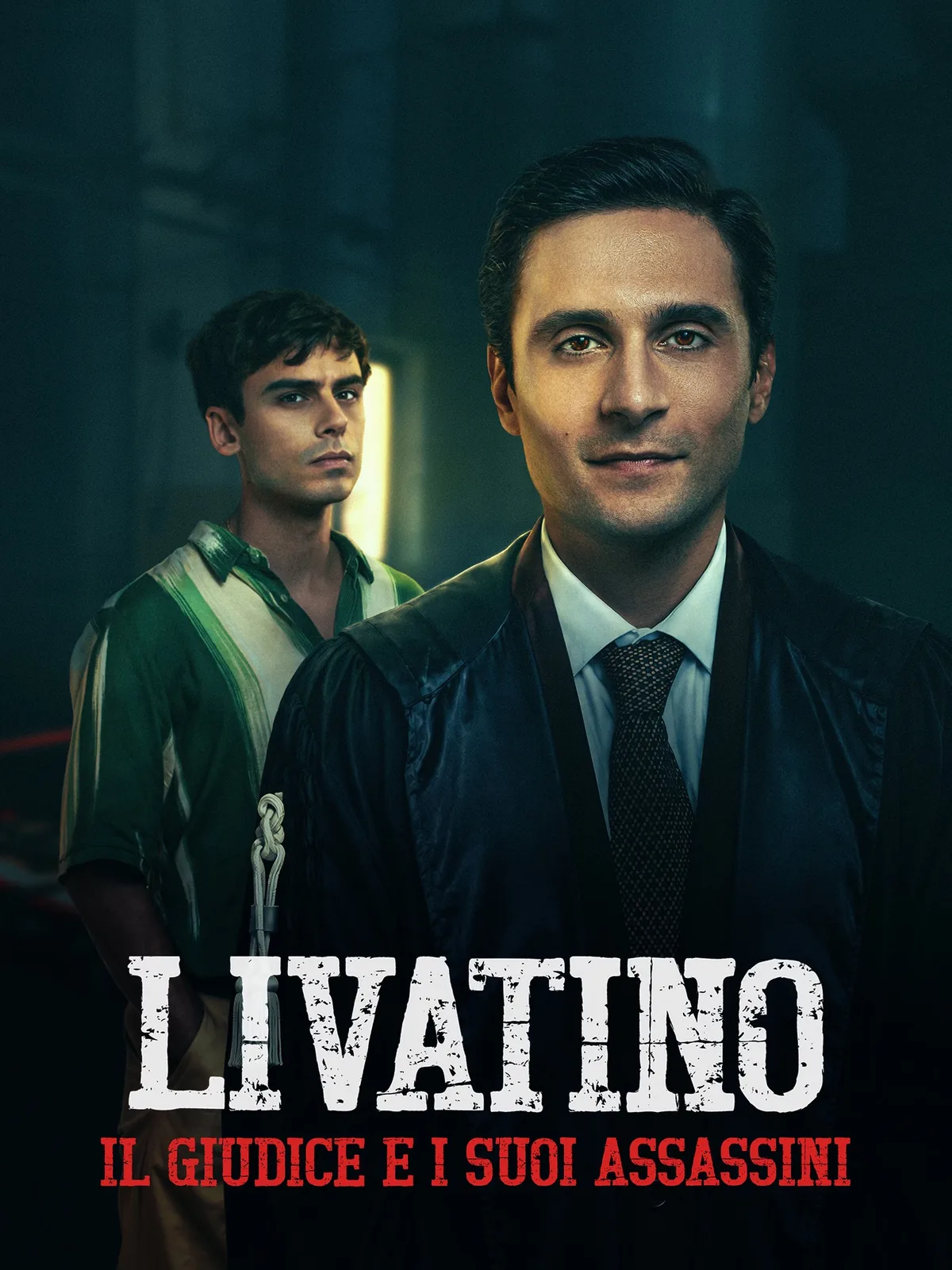
On Monday 9 and Tuesday 10 November, Rai 1 and RaiPlay air Livatino – Il giudice e i suoi assassini, Michele Placido’s four-part series on Rosario Livatino, the young magistrate killed by the Mafia on 21 September 1990 on the road between Canicattì and Agrigento. The series premiered at the Rome Film Fest in October, with President Sergio Mattarella in the audience.
FixerSicily handled location management on the production. This post explains what that job involved, and what it tells any producer planning to shoot in Sicily.
The project
Livatino is a Rai Fiction, Goldenart Production and Rai Com production, produced by Federica Luna Vincenti and written by Angelo Pasquini, Fidel Signorile and Michele Placido. Giuseppe De Domenico plays Livatino. The project was supported by the Italian Ministry of Culture, the Regione Siciliana and the Sicilia Film Commission.
Principal photography started on 29 September 2025 and ran for about ten weeks. Most of it took place in the province of Agrigento: Naro, Canicattì (Livatino’s hometown), Palma di Montechiaro, Favara and Agrigento itself, before the unit moved to Rome to wrap, as reported by QdS.
What a location manager does on a series like this
A period drama based on real events has a specific problem: the story happened in real places that people still live in, work in and remember. The locations are not just backdrops. Many of them carry the weight of what happened there.
Our job covered four areas.
1. Scouting nearly 50 locations
We scouted and proposed close to 50 locations across the province. For a story set in the years leading up to 1990, that means finding streets, interiors, offices and country roads that can carry the period with limited set dressing, and that a unit can actually work in: access for trucks, parking for the base, power, noise, and space for the crew.
Scouting in the Agrigento area is a matter of distances and timing as much as looks. Towns like Naro, Favara and Palma di Montechiaro are close on a map, but a company move between them eats into the shooting day. Grouping locations sensibly is half of a workable schedule.
2. Permits and municipalities
Every location in a public space needs authorisation, and in Sicily each municipality has its own office, its own timing and its own way of working. On Livatino we dealt with several Comuni at the same time, alongside the other public bodies involved.
The practical lesson for foreign productions: start the permit process early, and have someone local who knows who to call in each town hall. A missing signature can stop a shooting day as surely as bad weather.
3. Road closures with ANAS
Some of the most important scenes take place on the road. The Agrigento sequences included the stretch of the SS640 where the ambush happened. Filming on a state road means working with ANAS, the company that manages Italy’s national road network, together with the local authorities, to plan closures, diversions and safety measures.
Road closures are where location management becomes logistics. Timing, signage, traffic management and the safety of crew and the public all have to line up with the shooting schedule, and leave room for the unexpected.
4. On-site logistics
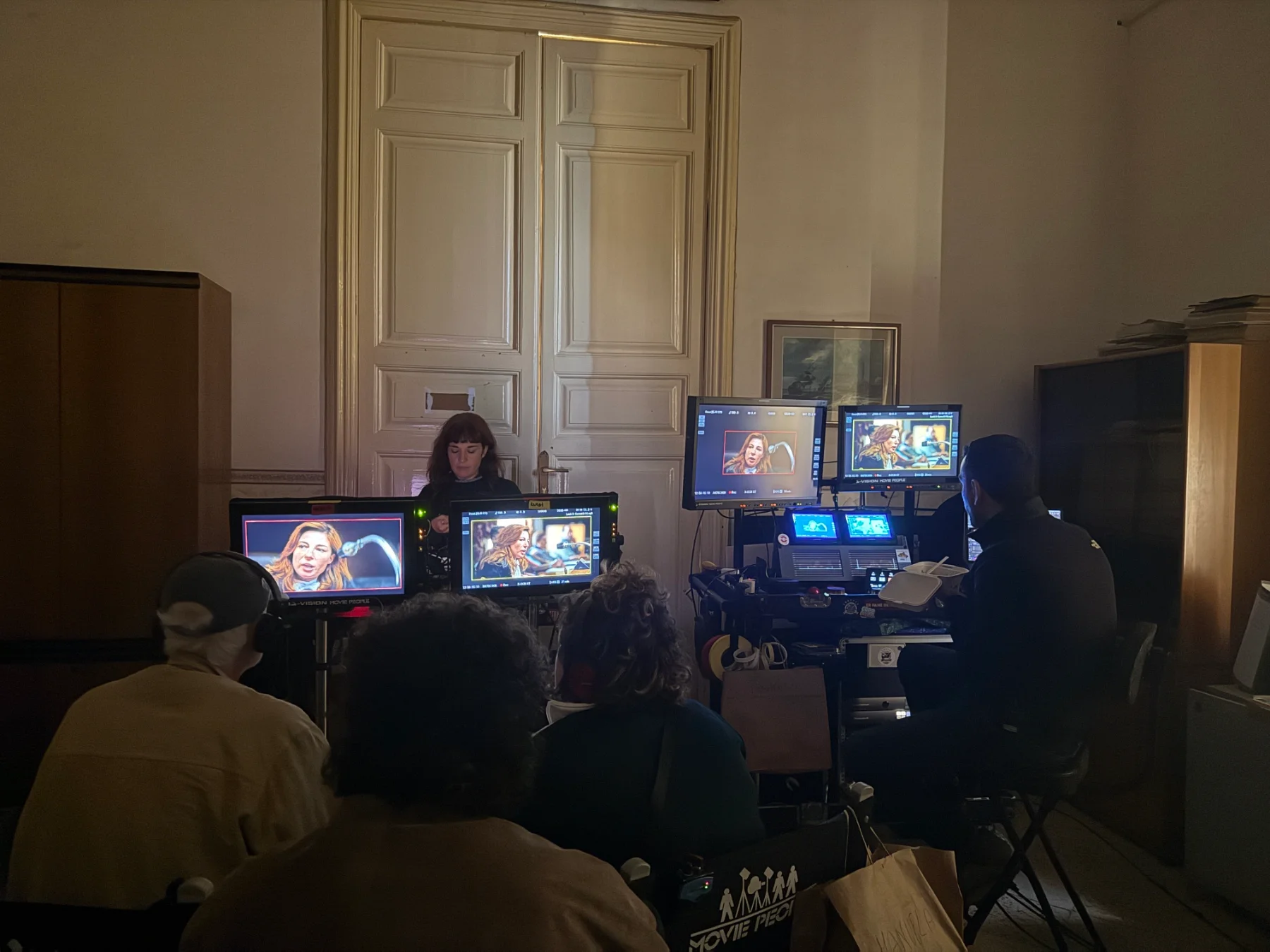
On shooting days, location management means being on the ground: opening and closing locations, managing access and parking, handling residents and business owners, and leaving every place as we found it. In small towns, the relationship with the community is the production’s real licence to work. If you lose it, the next day gets much harder.
Why it matters for productions coming to Sicily
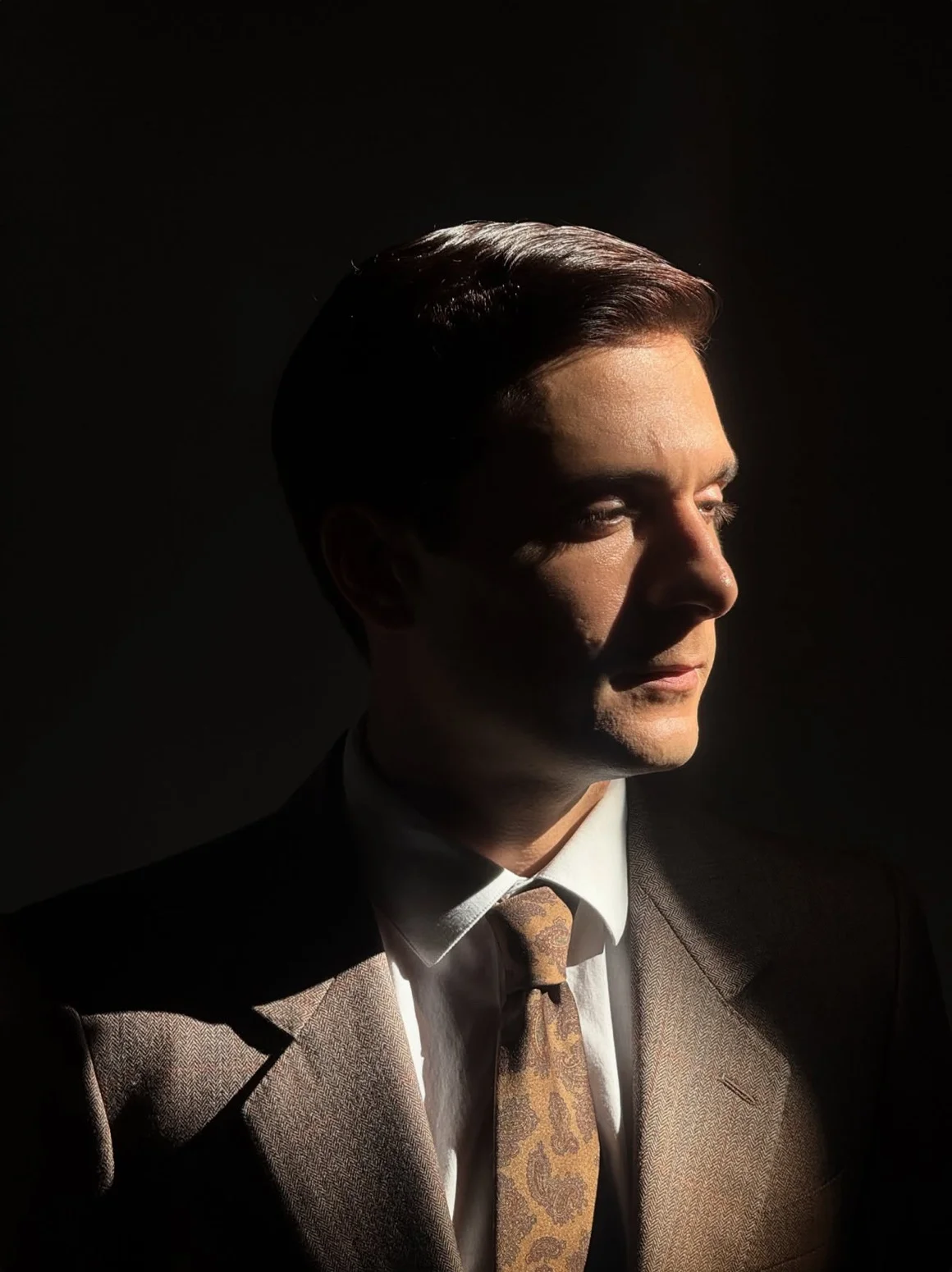
Livatino is the kind of project that shows what Sicily can offer beyond postcard landscapes: real towns with layered histories, interiors that need little dressing, and institutions that support production through the Sicilia Film Commission and regional funding.
It also shows what the island asks of a production. Plan for local bureaucracy, distances and road access, and plan to work with people who know the territory.
That is the work we do at FixerSicily: location scouting and management, permits, crews and logistics across Sicily and Southern Italy. You can see more of our projects in our portfolio and explore some of the places we work in on our locations page.
Watch the series
Livatino – Il giudice e i suoi assassini airs in two evenings on Rai 1, Monday 9 and Tuesday 10 November, and on RaiPlay.
FAQ
What does a location manager do in Sicily?
A location manager finds and secures locations, obtains permits from municipalities and other authorities, coordinates road closures and manages the locations during shooting, including access, parking and relations with residents.
Do you need a permit to film on public roads in Sicily?
Yes. Filming in public spaces needs authorisation from the municipality. On state roads, closures and traffic management also involve ANAS and the local authorities, so they need to be planned well in advance.
Where was the Rai series Livatino filmed?
Mostly in the province of Agrigento, including Naro, Canicattì, Palma di Montechiaro, Favara and Agrigento, with the final part of the shoot in Rome.
Planning a shoot in Sicily? Tell us about your project at info@fixersicily.com or through our contact page. We’ll come back to you with locations, timings and a realistic plan.